
Emergency junk removal is intended for situations where delays create safety hazards, block access, interfere with business operations, or prevent a property from being used. Response times can often be measured in hours rather than days, but the actual timeline depends on truck availability, access, the type of material, and whether special handling is required. At 2 Kings Junk Removal, emergency requests are assessed based on urgency and site conditions so realistic expectations can be set from the first call.
What Qualifies as an Emergency Junk Removal Situation
Not every urgent request is an emergency. Emergency junk removal generally applies when accumulated items create an immediate problem that affects safety, accessibility, legal obligations, or normal operations. Service providers typically prioritize emergencies based on the actual risk created by the materials rather than simply how quickly the customer wants them removed.
Examples include debris blocking emergency exits, flood- or fire-damaged contents that need prompt removal, construction waste preventing other trades from working, illegal dumping that restricts access, or large items obstructing driveways, loading areas, or entrances. Property managers, businesses, homeowners, and contractors may all encounter situations where waiting several days is not practical.
In some situations, only part of the material requires immediate removal. Clearing blocked access points, unsafe debris, or hazardous obstructions first may resolve the urgent issue while remaining junk is scheduled separately if additional time or equipment is required.
Requests based only on convenience, such as wanting household clutter removed before a weekend, may still receive fast service when scheduling allows, but they are not typically treated as emergency situations.
Typical Response Timelines in Edmonton
Response time depends on when the request is received, truck availability, travel distance, and the amount of material that must be removed. Same-day service is often possible when crews are available, the request is received early enough, and the job can be completed using standard equipment. Because these conditions vary throughout the day, same-day response cannot be guaranteed.
It is also helpful to distinguish between arrival time and completion time. A crew may be able to arrive quickly, while larger projects, multiple truckloads, or difficult loading conditions may require additional time before the entire job is finished.
If same-day scheduling is unavailable, next-day service is often the next realistic option. Larger projects, multiple truckloads, or properties requiring additional coordination may also extend the overall completion timeline, even when the request is marked as urgent.
Providing clear information during the initial call, including photographs, the type of junk, the estimated volume, property access, and any unusual site conditions, allows crews to arrive with the appropriate truck, equipment, and labour, improving the chances of the fastest available response.
Factors That Can Delay Emergency Removal
Even when a request is urgent, certain conditions can delay removal. Site access, the type of material being removed, crew availability, weather, and other external factors all influence how quickly work can begin. Identifying these issues early helps prevent unrealistic expectations and allows the appropriate equipment or disposal arrangements to be made.
Access Restrictions and Property Type
Limited access is one of the most common reasons emergency removals take longer than expected. Narrow hallways, upper-floor units without elevators, locked gates, underground parkades with height restrictions, or long carrying distances all increase loading time.
Commercial sites, apartment buildings, construction projects, and managed properties may also require site access approvals before work can begin. These approvals may include building management authorization, concierge assistance, security clearance, or reserved loading dock access. Even when a crew is immediately available, these requirements can affect response time.
External conditions can also create delays. Temporary road closures, active construction zones, severe weather, or restricted vehicle access may slow arrival or reduce the speed of loading once the crew reaches the property.
Hazardous or Regulated Materials
Certain materials cannot be loaded with standard junk because they require specialized handling or disposal. Items such as chemicals, fuels, propane cylinders, asbestos-containing materials, medical waste, or other regulated substances may require licensed transportation, approved disposal facilities, or may fall outside the materials accepted during a standard emergency pickup.
If hazardous or regulated materials are mixed with general junk, crews may need to separate them before removal or postpone collection until proper arrangements are made. Identifying these materials before dispatch helps avoid delays.
If you are unsure whether an item is regulated, mention it during booking rather than waiting until the crew arrives. Confirming handling requirements before dispatch allows the appropriate equipment or disposal arrangements to be organized and reduces the likelihood of unexpected delays.
Same-Day vs Next-Day Removal: What’s Realistic
Same-day removal is realistic when crews are available, access is straightforward, and the material can be safely loaded using standard equipment. Smaller residential jobs and many commercial cleanups often fit within these conditions. Because scheduling changes throughout the day, availability depends on current dispatch capacity and cannot be guaranteed.
Next-day removal becomes more likely when requests arrive later in the day, require multiple truckloads, involve difficult access, or include materials needing additional coordination. Existing bookings, disposal facility operating hours, remaining daylight, weather, and road conditions can also prevent same-day completion even after a crew has arrived.
In some emergency situations, the highest priority is removing the material creating the immediate hazard rather than completing the entire job during the first visit. Once the urgent safety or access issue has been resolved, the remaining material can be scheduled for removal as soon as practical.
When time is critical, flexibility with arrival windows and providing complete job details usually improves the chances of securing the earliest available appointment.
When Waiting Creates Bigger Problems
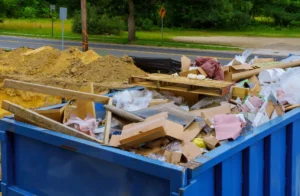
Delaying junk removal can increase both safety and operational risks. Debris that blocks exits or walkways may create trip hazards or interfere with emergency access. Construction waste left in active work areas can slow other trades, delay inspections, postpone occupancy, and extend overall project schedules. Damaged materials following floods or fires may also create sanitation concerns if left in place.
For businesses, delayed removal can interrupt normal operations, limit customer access, or prevent employees from safely using the property. In managed buildings, unresolved junk may also interfere with contractors, tenants, or scheduled maintenance work.
Waiting can also create legal or property management issues when waste violates municipal bylaws, lease requirements, site safety policies, or commercial property standards. The specific requirements vary depending on the municipality and property type, but removing the material promptly often reduces the risk of additional complications and helps restore safe use of the space.
When fast removal is needed, 2 Kings Junk Removal assesses the urgency, site conditions, property access, and material type to determine the earliest practical response. Providing complete job details during the initial call helps the team dispatch the appropriate truck, equipment, and crew as quickly as possible, improving the likelihood of resolving the emergency without unnecessary delays.

