
Some items are more difficult to remove than they first appear. Weight, sharp edges, hazardous contents, contamination, or legal restrictions can turn a simple cleanup into a safety or liability concern. The goal is not to avoid disposing of these items altogether, but to recognize when self-removal creates unnecessary risk. At 2 Kings Junk Removal, these situations are reviewed before removal so customers can better determine when professional assistance is the safer option.
Items That Create Safety or Health Risks
Many injuries during junk removal happen because an item is awkward to lift, unstable to move, or contains materials that are not immediately visible. The decision to seek professional help often depends on the risk created during handling rather than the item’s value or size.
Heavy, Sharp, or Hazardous Household Items
Large furniture, appliances, pianos, gun safes, construction debris, broken glass, sheet metal, and demolition materials can create lifting hazards, crush injuries, cuts, or strains. Even items that appear manageable may become dangerous when carried through stairways, narrow hallways, or uneven outdoor surfaces.
The risk also increases when multiple heavy items must be moved together or when proper lifting equipment is unavailable. In these situations, professional removal often reduces the likelihood of personal injury or accidental property damage.
Materials That Can Release Toxins or Contaminants
Certain materials present risks because disturbing them may release contaminants into the surrounding area. Suspected asbestos-containing materials, chemical containers, fuels, solvents, pesticides, mould-contaminated debris, and unidentified substances should not automatically be treated as ordinary household junk.
Not every older material or stained item is hazardous, but uncertainty itself is an important decision point. When the contents or condition cannot be confidently identified, requesting a professional assessment is often the safer option than attempting removal without knowing the potential exposure risks.
Items That Can Create Legal or Liability Issues
Some items create concerns beyond personal safety. Restrictions on transportation, handling, or disposal may apply depending on the material involved. Property damage or injuries that occur during self-removal can also create liability for homeowners, businesses, landlords, and property managers.
Restricted or Regulated Materials
Certain items cannot always be transported or accepted through standard junk removal because regulations may apply. Examples include propane cylinders, certain chemicals, medical waste, asbestos-containing materials, ammunition, and other regulated substances.
Requirements vary depending on the material and jurisdiction. If you are uncertain whether an item falls into a regulated category, identifying it before arranging removal helps avoid delays and reduces the risk of improper handling.
Items Linked to Property Damage or Injury
Some items create more risk during removal than during disposal. Oversized furniture, commercial equipment, heavy appliances, concrete debris, or tightly confined loads can damage flooring, walls, elevators, doors, landscaping, or vehicles if moved without the proper equipment.
Businesses may also face additional liability if employees attempt to remove heavy materials outside their normal job responsibilities. Property owners can reduce this risk by recognizing when specialized lifting or multiple workers are required.
When DIY Disposal Becomes a Risky Decision
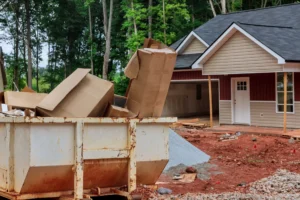
DIY disposal becomes a higher-risk decision when the challenge extends beyond simply loading an item into a vehicle. Limited access, excessive weight, uncertain material contents, multiple bulky items, or conditions requiring specialized equipment all increase the likelihood of injury, property damage, or project delays.
A useful decision threshold is whether the removal can be completed safely using ordinary household equipment by the people available. If the answer is uncertain, professional removal is often the lower-risk option.
How Professional Junk Removal Reduces These Risks
Professional junk removal reduces risk by matching the crew, equipment, and removal method to the type of material being handled. This is especially important for oversized items, difficult access conditions, or situations where lifting injuries or accidental property damage are more likely.
Professional assessment also helps identify situations where certain materials cannot be handled through a standard junk removal appointment. Recognizing those limitations before work begins reduces delays, prevents unnecessary handling, and helps customers make informed decisions about the safest next step.
When to Stop and Call a Junk Removal Company
If an item cannot be safely lifted, requires specialized equipment, contains unknown or potentially hazardous materials, or creates a realistic risk of injury or property damage, it is usually time to stop and seek professional assistance.
At 2 Kings Junk Removal, every removal request begins with confirming the items to be removed, identifying site access, and assessing the scope of the job. Once those details are confirmed, the appropriate crew size and equipment can be coordinated for the pickup. This process helps homeowners and businesses determine when professional junk removal is the safer option while reducing unnecessary handling, avoiding property damage, and helping the job proceed as efficiently as possible.

